

Feb 26
2026
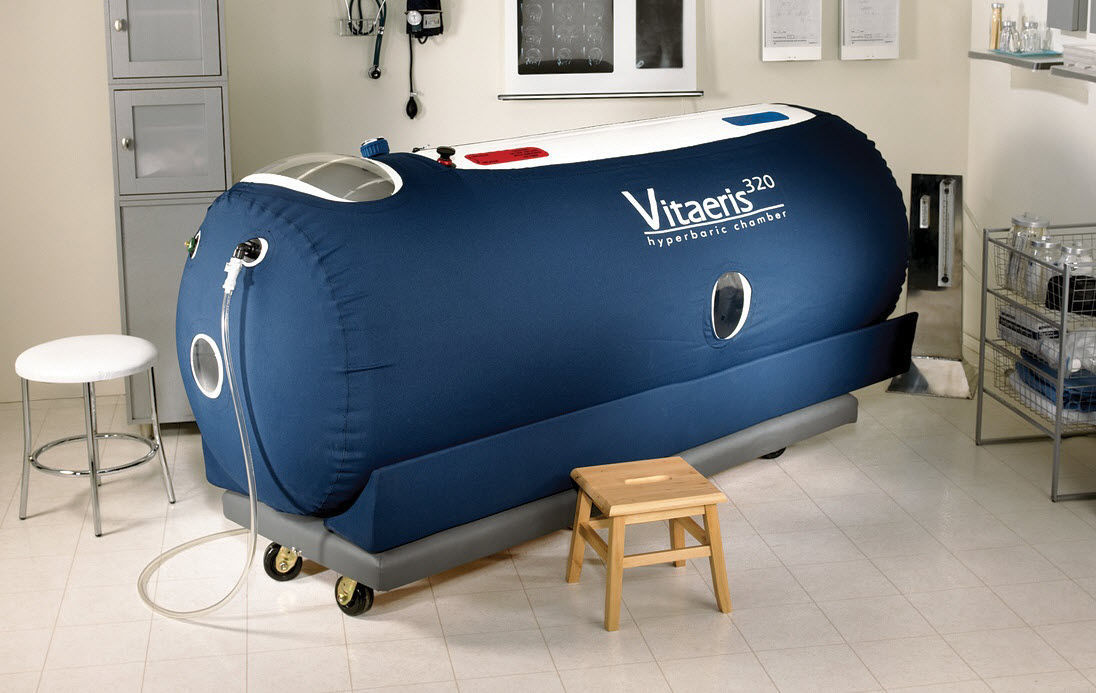
Hyperbaric oxygen therapy (HBOT) involves breathing pure oxygen in a pressurized chamber, with the primary goal of increasing oxygen saturation in tissues, which is a crucial part of rehabilitation after post-stroke injury. This typically occurs at 1.5–3 times normal atmospheric pressure. As a result, oxygen levels in the blood and tissues increase dramatically. This is far beyond what breathing room air or even supplemental oxygen can achieve. The extra oxygen reaches areas with poor circulation. Additionally, it promotes healing by enhancing cellular energy production, stimulating new blood vessel growth (angiogenesis), reducing inflammation, fighting certain infections, and supporting tissue repair.
HBOT has been used medically for decades. The FDA has approved it for 14 specific conditions (often called “on-label” indications). These include decompression sickness (the “bends” in divers), carbon monoxide poisoning, and certain non-healing wounds like diabetic foot ulcers. Other approved uses are radiation tissue damage, severe anemia, gas gangrene, and others. For these, evidence is strong. It is backed by clinical studies, systematic reviews, and organizations like the Undersea and Hyperbaric Medical Society (UHMS).
Emerging research (including studies from 2025–2026) explores additional benefits. In particular, research focuses on neurological, post-viral, and chronic conditions, though many remain off-label with varying levels of evidence. As further proof unfolds, hyperbaric oxygen therapy—HBOT—will likely reveal more about oxygen saturation’s role in the rehabilitation process post-stroke.
1. Wound Healing and Tissue Repair
HBOT excels at accelerating healing in chronic or radiation-damaged tissues. It boosts oxygen delivery to hypoxic (low-oxygen) areas. At the same time, it promotes collagen production, fights infection by enhancing white blood cell function, and stimulates stem cell activity. Notably, the increased oxygen saturation is vital for effective wound healing and post-stroke rehabilitation, further showcasing the multi-faceted benefit of hyperbaric oxygen therapy and HBOT.
- Diabetic foot ulcers and other non-healing wounds: FDA-approved, with strong evidence showing improved closure rates and reduced amputation risk.
- Radiation-induced injuries (e.g., in pelvic or head/neck tissues post-cancer treatment): Long-term relief from pain, fibrosis, and tissue breakdown. Effects last years per recent studies.
- Burns and compromised grafts/flaps: Trends toward faster healing, fewer surgeries, and lower infection risk, though more standardized trials are needed.
2. Neurological and Cognitive Benefits
Recent studies highlight HBOT’s potential to induce neuroplasticity (brain rewiring), improve mitochondrial function, and reduce inflammation in the brain. These are especially significant in the rehabilitation process post-stroke, where hyperbaric oxygen therapy’s enhancement of oxygen saturation provides support for cognitive recovery.
- Traumatic brain injury (TBI) and post-concussion syndrome: Improvements occur in cognitive domains like memory, attention, executive function, and processing speed. These changes can occur even decades after injury in some cases.
- PTSD and related symptoms: Sustained reductions in symptoms, with threshold effects where significant early improvement predicts long-term gains.
- Long COVID: Promising results from registries and trials show improvements in fatigue, brain fog, cognitive function, sleep, quality of life, and psychological symptoms. Additionally, some patients report 50–60%+ clinically relevant gains months after treatment.
These areas show moderate to emerging evidence from 2025 studies. The benefits are often linked to enhanced brain oxygenation and reduced chronic inflammation. As an example, in post-stroke rehabilitation, oxygen saturation achieved through hyperbaric oxygen therapy HBOT interventions can be a critical factor in healing and function improvement.
3. Other Emerging and Supportive Benefits
- Reduced inflammation and enhanced recovery: Helps in conditions like fibromyalgia (high pain/fatigue relief rates in reviews) or post-surgical healing. While the primary focus is often healing, the increased oxygen saturation from HBOT is now being investigated for supportive rehabilitation, especially post-stroke.
- Anti-aging and cellular repair: Preliminary links to telomere lengthening and better mitochondrial health.
- Sports recovery and chronic conditions: Faster muscle repair and reduced soreness occur. There is also potential support for autoimmune or rheumatic issues with skin ulcers.
While intriguing, these often rely on smaller studies or off-label use—consult a specialist for realistic expectations. However, the possible application of hyperbaric oxygen therapy for oxygen saturation rehabilitation post-stroke continues to attract clinical attention.
Is Hyperbaric Oxygen Therapy Safe?
HBOT is generally safe under medical supervision. Most side effects are mild and temporary (e.g., ear pressure/pain, sinus issues, temporary vision changes like nearsightedness). However, serious risks are rare but include:
- Barotrauma (e.g., ear/sinus injury or, rarely, lung collapse)
- Oxygen toxicity (seizures or lung effects, mitigated by protocols)
- Claustrophobia in enclosed chambers
- Fire risk if safety guidelines aren’t followed
Contraindications include untreated pneumothorax, certain lung diseases, recent ear surgery, or specific sensitivities—always get screened. Recent FDA notes emphasize following device instructions to minimize rare serious events. For those seeking hyperbaric oxygen therapy HBOT, especially with a view to boosting oxygen saturation during rehabilitation after a post-stroke event, proper medical oversight is crucial.
Final Thoughts
Hyperbaric oxygen therapy offers proven, powerful benefits for FDA-approved conditions like chronic wounds and radiation damage. Meanwhile, emerging evidence (especially 2025–2026 research) suggests exciting potential for neurological recovery, long COVID, and brain-related issues. It’s non-invasive and drug-free. It can trigger lasting regenerative processes, but results vary by protocol (e.g., pressure, sessions—often 20–40 over weeks), condition, and individual factors. Especially for oxygen saturation rehabilitation post-stroke, HBOT continues to open new therapeutic avenues in Canadian clinical settings.
For approved uses, it’s often covered by insurance; off-label applications may not be. Seek treatment at accredited facilities (UHMS-certified) and discuss with your healthcare provider to weigh benefits against risks. Not every patient is a candidate, but for rehabilitation after post-stroke, hyperbaric oxygen therapy, HBOT, and their impact on oxygen saturation remain an important area to consider.
Have you considered HBOT for a specific condition like wound healing, long COVID, or recovery from injury?
Call (905) 605-9355 to book your Hyperbaric Oxygen Therapy.