

Feb 28
2026
Improve Healing with HBOT
Concussions, often dismissed as minor head injuries, can have profound and lasting effects on the brain. Affecting millions each year—from athletes to accident victims—these injuries disrupt normal brain function. They lead to symptoms like headaches, dizziness, cognitive fog, and emotional instability. While many recover within weeks, a significant portion develop post-concussion syndrome (PCS). In PCS, symptoms persist for months or even years. Traditional treatments focus on rest and symptom management for concussion, but increasingly, the combination of hbot hyperbaric oxygen concussion is being explored for better results. However, emerging research highlights hyperbaric oxygen therapy (HBOT) as a game-changer. This blog explores why HBOT isn’t just helpful but critical for accelerating and enhancing recovery from concussions.
Understanding Concussions and Their Impact – How HBOT can help!
A concussion is a mild traumatic brain injury (mTBI) caused by a blow or jolt to the head, leading to temporary changes in brain function. It doesn’t always involve loss of consciousness. However, it triggers a cascade of issues: metabolic imbalances, inflammation, reduced blood flow, and oxygen deprivation in brain tissues. Recent discussions highlight how hbot hyperbaric oxygen concussion protocols may help mitigate these effects.
Persistent symptoms in PCS can include memory problems, anxiety, sleep disturbances, and balance issues, severely impacting quality of life. Standard care emphasizes physical and cognitive rest, but for those with lingering effects, this approach often falls short. That’s where HBOT steps in, addressing the root causes at a cellular level.
What is Hyperbaric Oxygen Therapy?
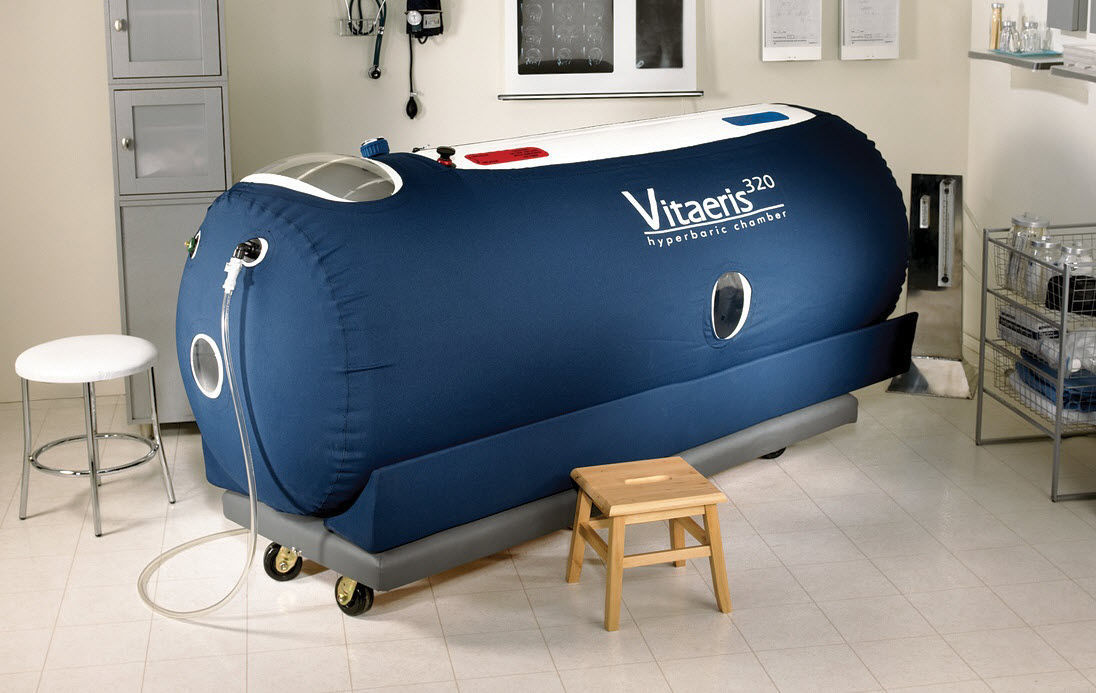
HBOT involves breathing pure oxygen in a pressurized chamber, typically at 1.5 to 2.0 atmospheres absolute (ATA). This environment allows oxygen to dissolve directly into the bloodstream at much higher levels than normal—up to 15 times more. It bypasses typical limitations of red blood cells.https://artifacts.grokusercontent.com/third-party-image
Originally used for decompression sickness in divers, HBOT is now FDA-approved for conditions like wound healing and carbon monoxide poisoning. For off-label uses like concussion recovery, sessions last 60-90 minutes, often in series of 20-40 treatments. The therapy is non-invasive and generally comfortable, though it requires medical supervision. Furthermore, hbot hyperbaric oxygen concussion protocols are customized for individual needs.
How HBOT Aids Concussion Recovery
Concussions create hypoxic (low-oxygen) zones in the brain, exacerbating inflammation and delaying healing. HBOT counters this by:
- Enhancing Oxygen Delivery: Flooding tissues with oxygen restores energy production in damaged cells, promoting repair and reducing cell death. cognitivefxusa.com
- Reducing Inflammation: High oxygen levels suppress pro-inflammatory cytokines and support anti-inflammatory processes. As a result, swelling that contributes to symptoms like headaches and cognitive impairment is alleviated. chicagoneuro.com
- Promoting Neuroplasticity and Angiogenesis: HBOT stimulates new blood vessel growth and stem cell mobilization. Therefore, it aids long-term brain restructuring and recovery. hyperbaricmedicalsolutions.com
- Improving Cerebral Blood Flow: Studies show HBOT boosts perfusion in under-oxygenated brain areas, correlating with better cognitive outcomes. concussionalliance.org
These mechanisms make HBOT critical for those stuck in recovery plateaus, as it targets the physiological barriers that rest alone can’t overcome. In short, the benefits of hbot hyperbaric oxygen concussion treatments are increasingly recognised in the medical community.
Evidence Supporting HBOT for Concussions
Research on HBOT for concussions has grown, with recent studies providing compelling data. A 2025 double-blind trial in Nature involving adults with persistent brain injury symptoms found that 40 HBOT sessions at 1.5 ATA led to significant reductions in Neurobehavioral Symptom Inventory (NSI) scores—7 points more than sham treatment—across cognitive, emotional, and physical domains. Moreover, improvements in anxiety, sleep, and balance persisted up to 12 months.
Another 2025 study in Frontiers in Neurology examined adults with PCS from childhood TBIs. It reported notable cognitive gains after HBOT.
A systematic review by Harch et al. analyzed dosages and concluded that 1.5 ATA HBOT meets high evidence standards for mTBI and PCS. It shows improvements in mood, sleep, and quality of life.
In sports contexts, HBOT is gaining traction. The Philadelphia Phillies adopted it for player recovery, and X discussions highlight its use for concussions and TBIs.
Clinics report faster healing for athletes with post-concussive symptoms.
Always consult a healthcare provider, as HBOT should complement, not replace, other
For concussion sufferers facing prolonged recovery, HBOT offers a vital lifeline by delivering oxygen where it’s needed most, reducing inflammation, and fostering brain repair. While not a cure-all and with some conflicting evidence, the growing body of research—especially recent trials—underscores its potential as a critical tool. If you’re dealing with persistent symptoms, discuss HBOT with a specialist. Also, ask whether hbot hyperbaric oxygen concussion treatments are appropriate for your situation.
While not a cure-all and with some conflicting evidence, the growing body of research—especially recent trials—underscores its potential as a critical tool. If you’re dealing with persistent symptoms, discuss HBOT with a specialist to see if it could accelerate your path to full recovery.
In addition to concussion recovery – HBOT is great for post-stroke rehabilitation, long-COVID, compromised immune systems, ADHD, Autism, Brain Fog, low energy, post-workout recovery and so much more.