

Feb 26
2026
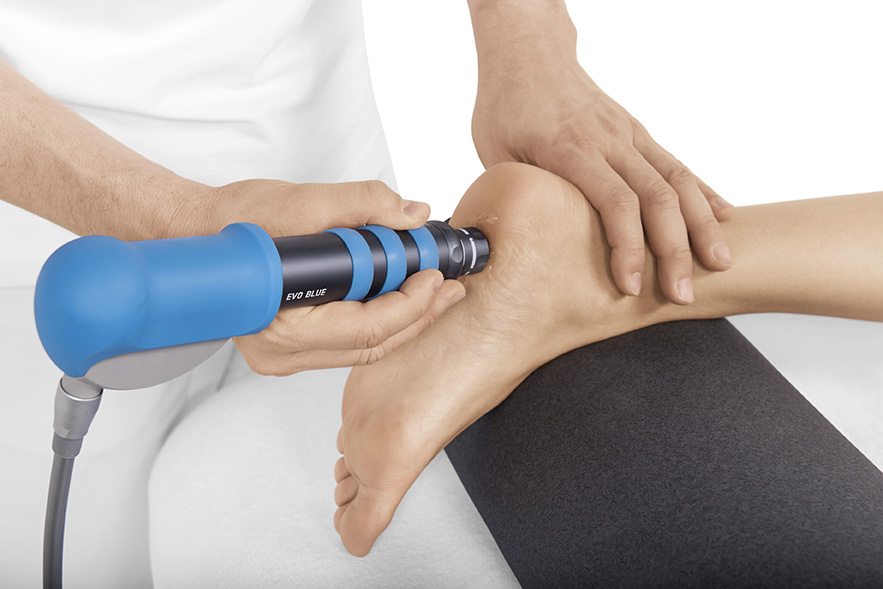
Shockwave therapy, also known as extracorporeal shockwave therapy (ESWT), is a non-invasive treatment that uses acoustic waves—high-energy sound waves—to stimulate healing in damaged tissues. It comes in focused (deeper penetration for precise targeting) and radial (more superficial, broader application) forms. Originally developed for breaking up kidney stones, it has evolved into a popular option for musculoskeletal issues, promoting natural repair processes without surgery or injections.
The therapy works by creating micro-trauma in tissues, which triggers biological responses: increased blood flow (neovascularization), release of growth factors, enhanced collagen production, reduced inflammation, breakdown of calcifications or scar tissue, and modulation of pain signals. Sessions typically last 5–20 minutes, with 3–6 treatments spaced over weeks, depending on the condition.
While results vary by individual, energy level, and protocol, evidence from systematic reviews, meta-analyses, and clinical sources (including Mayo Clinic, WebMD, and recent studies up to 2025–2026) supports its use for several conditions.
1. Chronic Tendinopathies and Overuse Injuries
Shockwave therapy shines for stubborn tendon issues where conservative treatments (rest, PT, NSAIDs) fall short. It promotes tissue regeneration and pain relief in:
- Plantar fasciitis (heel pain)
- Achilles tendinopathy
- Tennis elbow (lateral epicondylitis)
- Rotator cuff tendinopathy
- Patellar tendinopathy (jumper’s knee)
- Greater trochanteric pain syndrome (hip side pain)
Multiple meta-analyses and reviews show significant pain reduction (often 2+ points on pain scales) and improved function/quality of life, with benefits lasting months to years. For example, studies report notable improvements in plantar fasciitis, elbow, Achilles, and rotator cuff issues post-treatment and at follow-ups. FDA-approved for plantar fasciitis and tennis elbow, it’s a solid middle-ground before considering surgery.
2. Pain Relief and Functional Improvement
By altering pain pathways, stimulating nerves, and reducing inflammation, ESWT provides analgesia and boosts mobility. Recent meta-analyses (e.g., for chronic low back pain, upper limb tendonitis, and greater trochanteric pain) confirm better pain scores and lumbar/shoulder function compared to controls or other interventions. Benefits often appear within weeks and persist up to 2 years in some cases.
Athletes and active individuals appreciate the minimal downtime—no activity restrictions for most—and cost-effectiveness versus invasive options.
3. Other Emerging Applications
Preliminary evidence supports use in:
- Calcific shoulder tendinopathy (breaks down calcium deposits)
- Osteoarthritis (potential cartilage protection and pain relief)
- Bone healing delays or certain vascular bone conditions
- Myofascial pain or axial issues
For erectile dysfunction (low-intensity focused ESWT), some meta-analyses show mild-to-moderate improvements in erectile function scores (e.g., IIEF increases of ~4 points), better blood flow, and benefits for vasculogenic ED, though guidelines note it’s experimental with variable long-term data.
Is Shockwave Therapy Safe?
ESWT is generally very safe with minimal risks when performed by trained professionals. Most side effects are mild and temporary:
- Discomfort or pain during treatment
- Redness, bruising, swelling, or petechiae at the site
- Transient soreness post-session (resolves in days)
Rare complications include hematoma, nerve irritation, or (very uncommonly) tendon issues if protocols are ignored. No severe adverse events are commonly reported in large reviews. Contraindications include pregnancy, severe coagulopathy, active infection near the site, or certain implants—always screen with a provider.
High-energy versions may cause more noticeable effects, but low-energy/radial options are gentler.
Final Thoughts
Shockwave therapy offers evidence-based, non-invasive relief for chronic musculoskeletal pain and injuries, especially tendinopathies, by jumpstarting the body’s healing without drugs or downtime. It’s particularly appealing for those who’ve plateaued with PT or seek alternatives to steroids/surgery. Success rates are high (up to 80% in some studies for pain/function), but it’s most effective as part of a comprehensive plan including rehab exercises.
Call (905) 605-9355 to book your Shockwave treatment.