
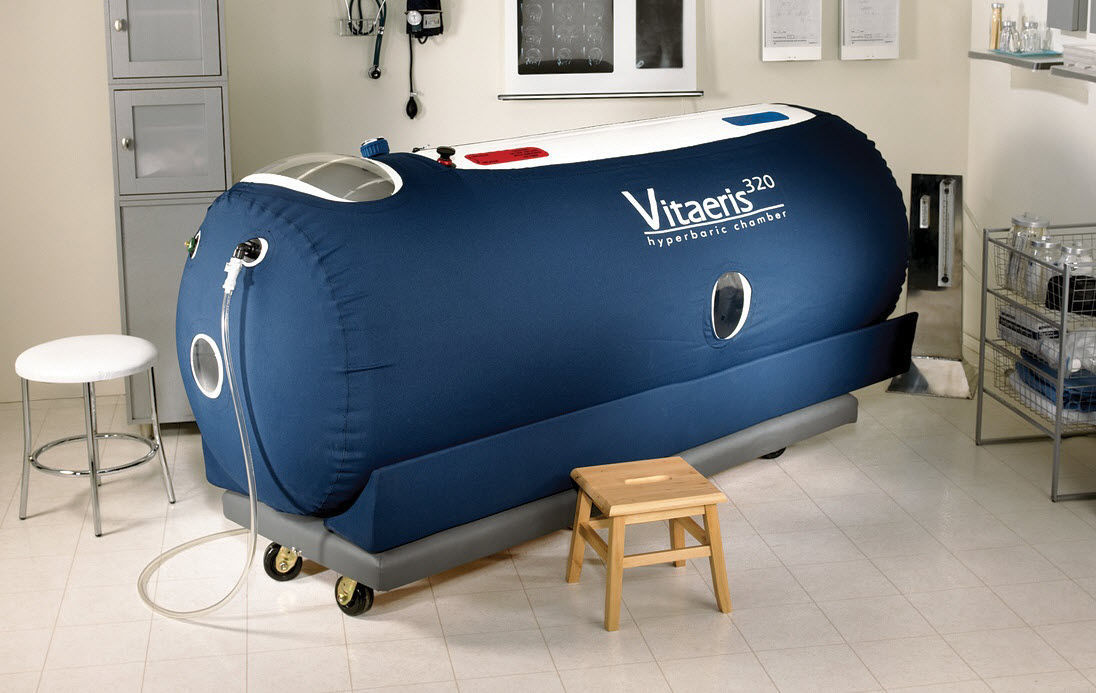
1.3 atm (or 1.3 ATA) HBOT, also known as mild Hyperbaric Oxygen Therapy (mHBOT), involves breathing oxygen-enriched air (often 21–40% oxygen, sometimes higher) in a pressurized chamber at 1.3 atmospheres absolute. This is gentler than medical-grade HBOT (2.0–3.0 atm) and is commonly used in wellness, recovery, and supportive care settings.
It increases tissue oxygenation by roughly 50%+ compared to normal air at sea level (even with room air inside the chamber), allowing more oxygen to dissolve in plasma and reach deeper tissues.
Key Benefits of 1.3 atm mHBOT
Here’s a comprehensive list based on research, clinical observations, and physiological mechanisms:
- Enhanced Oxygen Delivery & Cellular Function Forces oxygen up to 400% deeper into tissues, saturating plasma and reaching hypoxic (low-oxygen) areas. This boosts cellular energy (ATP) production, supports repair, and reduces tissue hypoxia.
- Reduces Inflammation & Swelling Lowers inflammatory markers and cytokines. Effective for chronic low-grade inflammation, post-injury swelling, and systemic inflammatory conditions. Some studies suggest mild pressure (1.3 atm) can be comparable or even preferable to higher pressures for inflammation control.
- Accelerates Healing & Recovery Promotes faster wound healing, post-surgical recovery (e.g., reduced bruising/swelling after facelifts), tissue repair, and recovery from injuries or surgeries. Supports collagen production and new blood vessel growth.
- Neurological & Cognitive Benefits Improves brain function, neuroplasticity, and blood flow to the brain. Helps with mild traumatic brain injury (mTBI), post-concussion syndrome, cognitive clarity, focus, memory, and mental fatigue. Shows benefits for PTSD symptoms, autism-related behaviors (language, social interaction, eye contact), and other neurological conditions.
- Athletic Performance & Recovery Speeds muscle repair, reduces downtime after intense training, improves aerobic capacity/oxygen uptake, and enhances energy levels and endurance.
- Immune System Support Increases white blood cell formation, stem cell production/mobilization, and overall immune function. May help with autoimmune conditions and infections by creating an oxygen-rich environment less favorable to certain bacteria.
- Improved Circulation & Cardiovascular Health Enhances blood flow, lymphatic drainage, and detoxification. Can help lower resting heart rate and support better overall cardiovascular response.
- Skin Health & Anti-Aging Improves skin tone, texture, collagen/elastin production, and radiance. Supports healing of scars, acne, and other skin issues.
- Mental & Emotional Well-Being Reduces symptoms of stress, anxiety, and depression. Promotes better sleep quality and overall sense of well-being.
- Additional Supportive Benefits
- Relief from migraines/headaches
- Support for chronic conditions (e.g., Lyme, fibromyalgia, radiation damage)
- Gut health improvements (e.g., in inflammatory bowel conditions)
- Increased glutathione (antioxidant) levels
- General wellness, energy boost, and anti-fatigue effects
Important Notes
- Safety: 1.3 atm is generally very safe with minimal risks (low chance of ear barotrauma, no significant oxygen toxicity). It’s suitable for most people, including children and older adults, and often requires fewer medical restrictions than higher-pressure HBOT.
- Cumulative Effects: Benefits are often dose-dependent — multiple sessions (e.g., 40+ over weeks) yield better results for chronic issues.
- Evidence Level: Strongest for recovery, inflammation, and wellness. Neurological/brain benefits have promising studies but some results are from smaller trials or observational data. Always consult a qualified provider.
mHBOT at 1.3 atm excels as a gentle, accessible therapy for daily wellness, recovery, and supportive care rather than acute life-threatening conditions (where higher pressures may be needed).
If you’re considering sessions at Tri-Health or elsewhere, Nurse Isabelle or your provider can tailor a protocol to your goals! Let me know if you’d like session recommendations, comparisons to higher-pressure HBOT, or visuals.