

Feb 26
2026
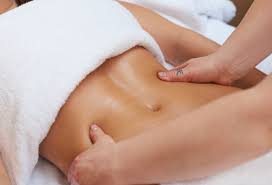
Lymphatic massage, also known as manual lymphatic drainage (MLD) or lymphatic drainage massage, is a specialized, gentle therapy designed to stimulate the body’s lymphatic system. This network of vessels, nodes, and tissues plays a crucial role in immune function, fluid balance, and detoxification by collecting excess interstitial fluid (lymph), filtering it through lymph nodes, and returning it to the bloodstream.
Unlike more vigorous forms of massage, lymphatic massage uses very light, rhythmic strokes to encourage lymph flow—helping move stagnant fluid, reduce swelling, and support natural healing processes. It’s particularly valuable in wellness, post-surgical recovery, and managing conditions like lymphedema.
Why Lymphatic Massage Is Important
The lymphatic system lacks a central pump like the heart does for blood circulation—it relies on muscle movement, breathing, and external stimulation to keep lymph moving. When lymph flow slows (due to surgery, injury, illness, sedentary lifestyle, or chronic conditions), fluid can build up, leading to swelling (edema), inflammation, fatigue, weakened immunity, and toxin accumulation.
Key reasons lymphatic massage matters:
- Reduces Swelling and Edema — Especially effective for lymphedema (e.g., after breast cancer treatment or lymph node removal), post-surgical swelling, or injury-related fluid retention. Systematic reviews and meta-analyses show it can significantly decrease limb volume, pain, and heaviness in conditions like breast cancer-related lymphedema or lower limb edema.
- Supports Immune Function — By promoting lymph circulation, it helps transport immune cells and clear waste/toxins more efficiently, potentially boosting overall defense against illness.
- Aids Recovery and Healing — Evidence supports faster resolution of edema after acute injuries (e.g., ankle sprains, wrist fractures) and improved outcomes in post-operative care, including cosmetic procedures where it reduces fibrosis and enhances satisfaction.
- Promotes Relaxation and Wellness — The gentle nature calms the nervous system, reduces stress, and may temporarily lower blood pressure or heart rate in healthy individuals.
- Complements Other Therapies — Often part of complex decongestive therapy (CDT), combining MLD with compression, exercise, and skin care for long-term management.
While not a cure-all (e.g., limited evidence for broad “detox” or weight loss claims in healthy people), it’s a safe, non-invasive tool with moderate to strong evidence for specific applications like edema reduction and post-surgical support.
How Lymphatic Massage Differs from Other Forms of Massage
Lymphatic drainage stands apart from popular types like Swedish, deep tissue, or sports massage in technique, pressure, purpose, and application:
- Pressure Level
- Lymphatic: Extremely light—often described as “skin-stretching” or feather-light (pressure equivalent to the weight of a nickel or less). The goal is to stimulate superficial lymph capillaries just under the skin without compressing vessels.
- Swedish/Deep Tissue: Moderate to firm/deep pressure, using kneading, friction, and gliding to target muscles and connective tissue.
- Technique and Strokes
- Lymphatic: Slow, rhythmic, circular or pumping motions (e.g., stationary circles, scoop, pump, rotary techniques) in a specific sequence—always starting at the neck/central lymph areas to “clear” pathways before working outward. No oil or lotion is typically used to maintain precise skin contact and avoid gliding.
- Swedish: Long, flowing strokes, kneading, tapping, and vibration for relaxation and general circulation.
- Deep Tissue: Slower, focused strokes with elbows/forearms to release knots, adhesions, and chronic tension in deeper layers.
- Focus and Direction
- Lymphatic: Targets the lymphatic system exclusively, following lymph vessel pathways toward nodes and drainage points (often proximal to distal). It mimics the body’s natural lymph pulsations.
- Other Massages: Primarily muscular—Swedish enhances overall blood flow (often toward the heart), while deep tissue addresses musculoskeletal issues.
- Purpose
- Lymphatic: Therapeutic for fluid management, immune support, and reducing pathological swelling—not for muscle relaxation or deep pain relief.
- Swedish: Relaxation, stress relief, improved circulation, and mild muscle tension.
- Deep Tissue: Chronic pain, injury rehab, breaking up scar tissue, and structural alignment.
In short, if you’re seeking muscle relief or deep work, opt for Swedish or deep tissue. For swelling, detoxification support, or post-op recovery, lymphatic drainage is the specialized choice.
Is Lymphatic Massage Right for You?
Lymphatic massage is generally safe with minimal side effects (mild temporary fatigue or increased urination as fluid moves). It’s especially beneficial after surgery, during lymphedema management, or if you experience chronic bloating/swelling. Always consult a healthcare provider first, particularly if you have active infection, blood clots, heart/kidney issues, or untreated cancer.
At Tri-Health Wellness Centre in Vaughan, our trained therapists offer gentle, evidence-informed lymphatic drainage as part of our integrative approach—often combined with naturopathic care, InBody analysis, or other therapies for comprehensive results.
Ready to experience the gentle power of lymphatic massage? Book a session today and support your body’s natural detox and healing systems.
Call Tri-Health Wellness Centre at (905) 605-WELL (9355) or book online via our Jane App. Located in Woodbridge (Vaughan), we’re here to help you feel lighter, balanced, and vibrant—naturally!
Have you noticed swelling, fatigue, or post-injury puffiness? Or are you curious about trying lymphatic drainage? Share your thoughts below—we’d love to guide you! 🌿