

Jul 6
2026
InBody vs DEXA Scans: Why InBody Body Composition Analysis is Superior for Regular Health Tracking at Tri-Health
If you’re serious about understanding your body beyond the scale — whether you’re on a weight loss journey, optimizing muscle mass, reducing visceral fat, or simply investing in long-term wellness — an InBody scan for body composition analysis is one of the most powerful tools available.
Two of the most talked-about options are InBody scans and DEXA scans. While both provide valuable data, they are not equal when it comes to safety, convenience, frequency of use, and the actionable insights needed for ongoing holistic health management.
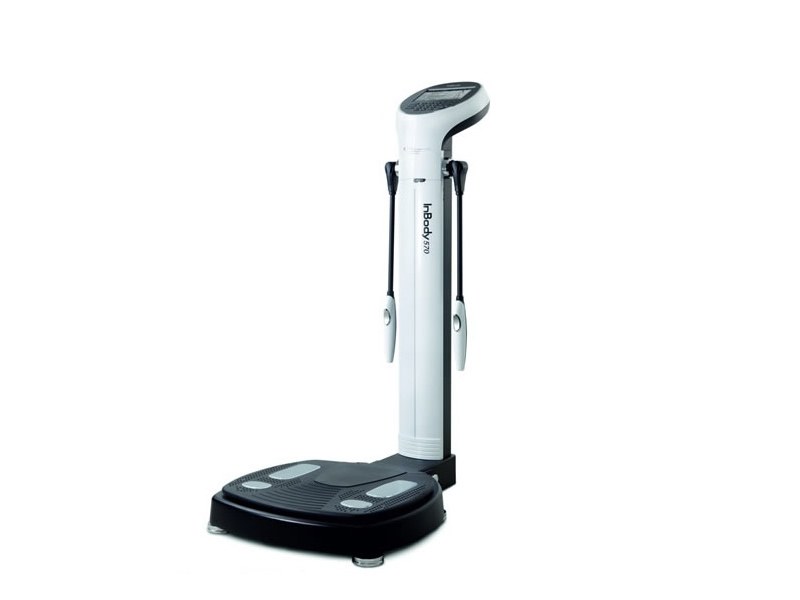
At Tri-Health Wellness Centre in Vaughan, Ontario, we offer professional InBody 570 analysis with Dr. Jason Granzotto ND. For the majority of people seeking regular monitoring as part of a naturopathic, integrative approach (including our GLP-1 weight loss programs and YouBiotic Diet), InBody is the clearly superior choice.
Here’s a detailed, evidence-based breakdown of why.
What is an InBody Scan?
The InBody 570 uses Direct Segmental Multi-Frequency Bioelectrical Impedance Analysis (DSM-BIA). It sends safe, low-level electrical currents through your body to measure how different tissues (muscle, fat, and water) resist the current. Because muscle contains more water and conducts electricity better than fat, the device builds a precise, segmental picture of your body composition in just 45–60 seconds.
You simply stand barefoot on the device while holding hand electrodes. Results are instant and include a detailed, easy-to-read report.
Key Benefits of InBody Scans
InBody delivers far more than a single body fat percentage number. Here’s what makes it exceptional for regular use:
- Zero radiation — Completely safe for frequent testing (every 2–4 weeks if desired).
- Lightning-fast and convenient — 45–60 seconds standing up, fully clothed (light clothing), with immediate results.
- Comprehensive, actionable metrics including:
- Skeletal Muscle Mass (total + segmental breakdown of arms, legs, and trunk)
- Body Fat Mass and Body Fat Percentage
- Visceral Fat Level (critical marker for metabolic and cardiovascular risk)
- Total Body Water, Intracellular Water (ICW), and Extracellular Water (ECW)
- ECW/TBW Ratio (valuable indicator of inflammation or fluid imbalance)
- Basal Metabolic Rate (BMR) — essential for accurate calorie and nutrition planning
- Segmental Lean Analysis — reveals muscle imbalances from posture, injury, or training
- InBody Score and progress history tracking
- Excellent for tracking real change — When done under consistent conditions (same time of day, hydration, and fasting status), InBody reliably detects meaningful shifts in muscle, fat, and water — perfect for data-driven adjustments.
- Motivational and educational — Patients love seeing visual progress graphs and clear reports that show fat loss while preserving (or building) muscle.
- Affordable and accessible — Lower cost per scan makes regular testing practical and sustainable.
These features align perfectly with naturopathic and integrative care, where we look at the whole picture — inflammation, hydration, metabolism, and muscle quality — not just weight.
The Limitations and Drawbacks of DEXA Scans
DEXA (Dual-Energy X-ray Absorptiometry) is often called a “gold standard” for body composition and is excellent for bone mineral density diagnosis. However, it has several significant drawbacks for regular wellness tracking:
- Ionizing radiation exposure — A whole-body body composition DEXA delivers approximately 4–5 µSv of radiation — roughly half a day of natural background radiation. While low, it is still cumulative. This makes frequent scanning (e.g., monthly during active weight loss) less ideal, especially for younger patients or those wanting long-term monitoring.
- Time-consuming and less convenient — Scans typically take 5–15 minutes lying down, require specific positioning, and involve scheduling at imaging centers.
- Higher cost — Usually significantly more expensive per scan, which discourages the frequent testing needed to guide ongoing programs.
- Fewer holistic metrics — While excellent for regional fat/lean mass and bone, it does not provide the same detailed water compartment analysis (ICW/ECW), phase angle insights, or easy BMR data that naturopathic doctors use for root-cause assessment.
- Limited practicality for progress tracking — Because of radiation, cost, and logistics, most people only do DEXA a few times per year — not often enough to make real-time adjustments during weight loss, muscle-building, or anti-inflammatory protocols.
In short: DEXA excels at one-time clinical snapshots and bone health assessment. It is not optimized for the regular, safe, convenient monitoring most people need on a wellness journey.
InBody vs DEXA: Head-to-Head Comparison
| Aspect | InBody 570 (at Tri-Health) | DEXA Scan | Winner for Regular Wellness Tracking |
|---|---|---|---|
| Radiation | None | Low-dose ionizing (~4–5 µSv per scan) | InBody (safer for frequency) |
| Scan Time | 45–60 seconds | 5–15 minutes | InBody |
| Convenience | Standing, immediate results | Lying down, appointment required | InBody |
| Cost for Ongoing Use | Affordable, encourages regular testing | Higher cost per scan | InBody |
| Segmental Muscle/Fat | Detailed (arms, legs, trunk) | Good regional data | InBody (easier to interpret) |
| Visceral Fat | Estimated level (highly useful clinically) | More precise in some validations | Tie (both valuable) |
| Water Balance & Inflammation | Excellent (ICW/ECW ratio) | Not provided | InBody |
| BMR & Nutrition Planning | Direct BMR output | Not standard | InBody |
| Ideal Frequency | Every 2–4 weeks possible | Every 3–6+ months (radiation/cost limits) | InBody |
| Best For | Regular progress tracking, holistic wellness, weight loss programs | One-time precision + bone density diagnosis | Context-dependent |
Research consistently shows strong correlation between InBody and DEXA for body fat percentage and lean mass in many populations, especially when testing conditions are standardized. The practical advantages of InBody for frequent use are what make it superior in real-world wellness settings.
Why Regular InBody Analysis is Essential for Your Wellness Journey
One-off scans are helpful. Regular InBody analysis transforms data into lasting results.
At Tri-Health, we recommend InBody scans as a cornerstone of:
- GLP-1 weight loss programs — GLP-1 medications are powerful, but they can accelerate muscle loss if protein intake and resistance training are not optimized. Regular InBody tracking lets Dr. Jason monitor lean mass preservation in real time and adjust your protocol accordingly.
- The YouBiotic Diet and gut-focused weight loss — See exactly how changes in diet affect visceral fat, muscle retention, and inflammation markers (via ECW/TBW).
- Red light therapy and recovery protocols — Track improvements in muscle quality and metabolic markers alongside other therapies.
- Overall metabolic and inflammatory health — Combine InBody data with Dr. Jason’s live blood analysis, food sensitivity testing, and naturopathic assessment for true root-cause insight.
Regular scans (every 4–6 weeks during active programs) provide the feedback loop needed to break plateaus, stay motivated, and make precise adjustments — something DEXA’s limitations make difficult.
Experience Personalized InBody Analysis with Dr. Jason Granzotto ND at Tri-Health
Dr. Jason Granzotto ND, co-founder of Tri-Health Wellness Centre, integrates InBody results directly into your personalized naturopathic care plan. He often combines the scan with live blood analysis and other assessments to give you a complete picture of your health.
What to expect during your appointment:
- Quick 45–60 second InBody 570 scan
- Detailed review of your results with Dr. Jason
- Personalized recommendations for nutrition, supplementation, exercise, and other therapies
- Printed or digital report you can take home and track over time
Our Vaughan clinic (Woodbridge area) provides a bright, welcoming, professional environment designed for your comfort and results.
Frequently Asked Questions About InBody and DEXA
Is InBody more accurate than DEXA? DEXA is often considered the clinical gold standard for absolute one-time precision (especially bone density). However, modern multi-frequency InBody devices like the 570 show strong correlation with DEXA for body fat and lean mass. For tracking changes over time under consistent conditions, InBody is highly reliable and far more practical.
How often should I get an InBody scan? For active weight loss or body recomposition goals, every 2–4 weeks is ideal. For general wellness maintenance, every 6–12 weeks works well. Dr. Jason will recommend the optimal frequency for your specific program.
Does InBody use radiation? No. InBody uses safe, low-level electrical currents only — zero ionizing radiation.
Can InBody help prevent muscle loss on GLP-1 medications? Yes. By tracking skeletal muscle mass and segmental lean tissue at regular intervals, we can adjust protein intake, resistance training, and overall plan to protect muscle while maximizing fat loss.
Who should get regular InBody scans? Anyone focused on sustainable weight management, athletic performance, reducing visceral fat, optimizing metabolism, or addressing inflammation. It is especially valuable when combined with naturopathic care.
Is InBody safe for everyone? InBody is safe for most people. Certain conditions (e.g., pacemakers or specific implants) may require precautions — Dr. Jason will review your health history beforehand.
Ready to Take Control of Your Body Composition?
Stop guessing and start measuring what truly matters.
Book your InBody scan with Dr. Jason Granzotto ND today at Tri-Health Wellness Centre in Vaughan, Ontario.
📞 Call: (905) 605-WELL (9355) 🌐 Book online: trihealth.janeapp.com (select InBody Composition Analysis)
Whether you’re beginning a GLP-1 program, following the YouBiotic Diet, recovering with red light therapy, or simply investing in proactive wellness, regular InBody analysis gives you the clear, science-backed insights you need to succeed — safely, conveniently, and effectively.
InBody isn’t just better than DEXA for most wellness goals — it’s the smarter, more sustainable choice.
Take the first step toward data-driven results. We look forward to supporting your journey at Tri-Health.