
Feb 26
2026
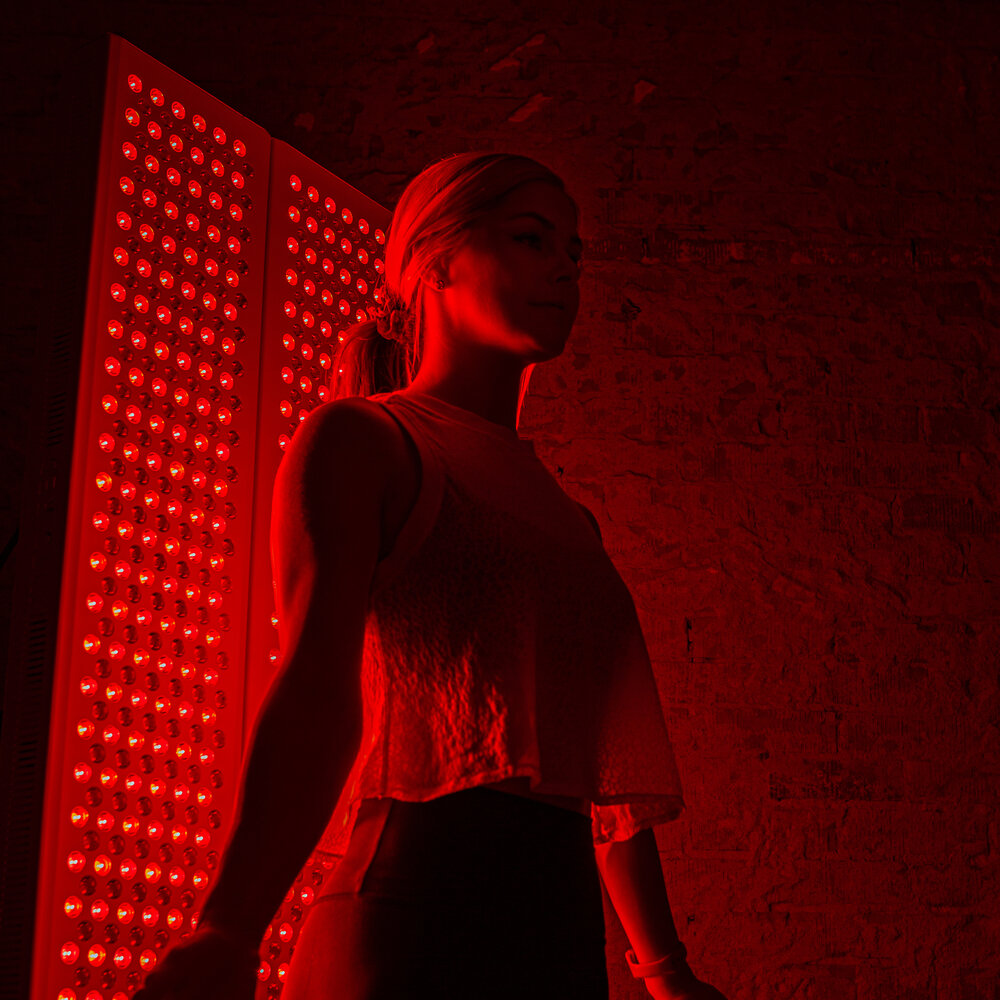
Red light therapy (RLT), also known as photobiomodulation or low-level light therapy, is a non-invasive treatment that uses specific wavelengths of red and near-infrared light (typically 630–850 nm) to stimulate cellular function. Many people are interested in the potential of red light therapy anti-aging benefits. It works primarily by penetrating the skin and being absorbed by mitochondria—the “powerhouses” of cells—boosting ATP (energy) production, reducing inflammation, improving blood flow, and promoting tissue repair.
This therapy has gained significant popularity in recent years, with growing scientific support for several applications, especially in dermatology. While not a miracle cure, evidence from clinical trials, reviews, and institutions like Stanford Medicine, Cleveland Clinic, Harvard Health, and others shows promising benefits when used consistently and appropriately.
1. Skin Rejuvenation and Anti-Aging
One of the most well-researched and established benefits of RLT is its ability to improve skin health and appearance. It stimulates collagen production, increases fibroblast activity (cells that produce collagen), enhances blood circulation, and reduces cellular inflammation.
Clinical studies have shown improvements in:
- Fine lines and wrinkles
- Skin texture and smoothness
- Elasticity and firmness
- Reduction in redness and dark spots
For example, controlled trials have demonstrated significant increases in collagen density (measured via ultrasound) and better skin complexion after regular sessions. The American Academy of Dermatology notes that over 90% of patients in some studies reported softer, smoother skin with less redness. The FDA has cleared several at-home red light devices specifically for treating signs of aging.
2. Hair Growth and Thinning Hair
RLT shows solid evidence for promoting hair regrowth, particularly in androgenetic alopecia (pattern baldness). It dilates blood vessels to deliver more nutrients to hair follicles and stimulates cellular activity in the scalp.
Multiple studies, including human trials, have found increased hair density and thickness after consistent use (often several months). Stanford Medicine experts highlight robust evidence for hair growth benefits, with red light helping to regrow thinning hair.
3. Wound Healing and Scar Reduction
By accelerating tissue repair, reducing inflammation, and boosting circulation, RLT can speed up healing for wounds, burns, acne scars, and even chronic issues like diabetic ulcers. Research supports faster closure of wounds and reduced scarring compared to standard care.
4. Pain Relief and Muscle Recovery
Emerging evidence suggests RLT helps with musculoskeletal pain, including osteoarthritis, fibromyalgia, and post-exercise soreness. It reduces inflammation and supports faster recovery after workouts. Reviews indicate benefits for joint pain, muscle strength, and reduced fatigue in conditions like fibromyalgia (with moderate certainty in some meta-analyses).
Athletes often use it to improve endurance and decrease recovery time.
5. Other Potential Benefits
Preliminary research explores additional areas, such as:
- Reduced inflammation in various tissues
- Improved cognitive function in certain conditions (e.g., post-stroke)
- Better sleep quality (though more data needed for some claims)
- Possible mood support through effects on cellular energy
While promising, these areas often have lower certainty evidence and require more high-quality trials.
Is Red Light Therapy Safe?
RLT is generally considered safe with minimal side effects when used as directed. Unlike UV light, it doesn’t cause DNA damage or increase skin cancer risk. Short-term use shows few adverse effects—most common are mild and temporary, like slight redness or irritation.
Rare risks at very high doses include blistering or prolonged erythema. Always protect your eyes (use goggles if the device recommends) and avoid direct eye exposure. Long-term safety is still being studied, so consult a healthcare provider if you have conditions like photosensitivity, take light-sensitive medications, or have a history of skin/eye issues. FDA-cleared devices are a good choice for at-home use.
Final Thoughts
Red light therapy offers science-backed advantages, particularly for skin rejuvenation, hair growth, and healing support, making it a worthwhile option for many people seeking non-invasive wellness tools. Results vary by device quality, wavelength, dosage, and consistency—most benefits appear after weeks to months of regular use (e.g., 10–20 minutes per session, several times weekly).
If you’re considering RLT, start with evidence-based applications and realistic expectations.
Call (905) 605-9355 to book your Red Light Therapy.